Shaping Spaces
Year: 2024
Context: MSc Architecture, TU Delft
Focus: Housing, Gender, Feminist Practices
Role: Individual research
Course / Studio: Architectural History Thesis
This architectural history research examines the work of Luzia Hartsuyker-Curjel and her engagement with gender-inclusive housing in the Netherlands during the 1980s. Through an analysis of housing studies, built projects, and feminist initiatives, the research situates her architectural practice within a broader social, cultural, and professional context shaped by changing family structures, women’s emancipation, and critiques of post-war housing standardization. The project highlights how architectural decisions, particularly floor plan organization, spatial hierarchy, and flexibility, were used to question dominant models of living and everyday life.
The complete research booklet can be downloaded here.

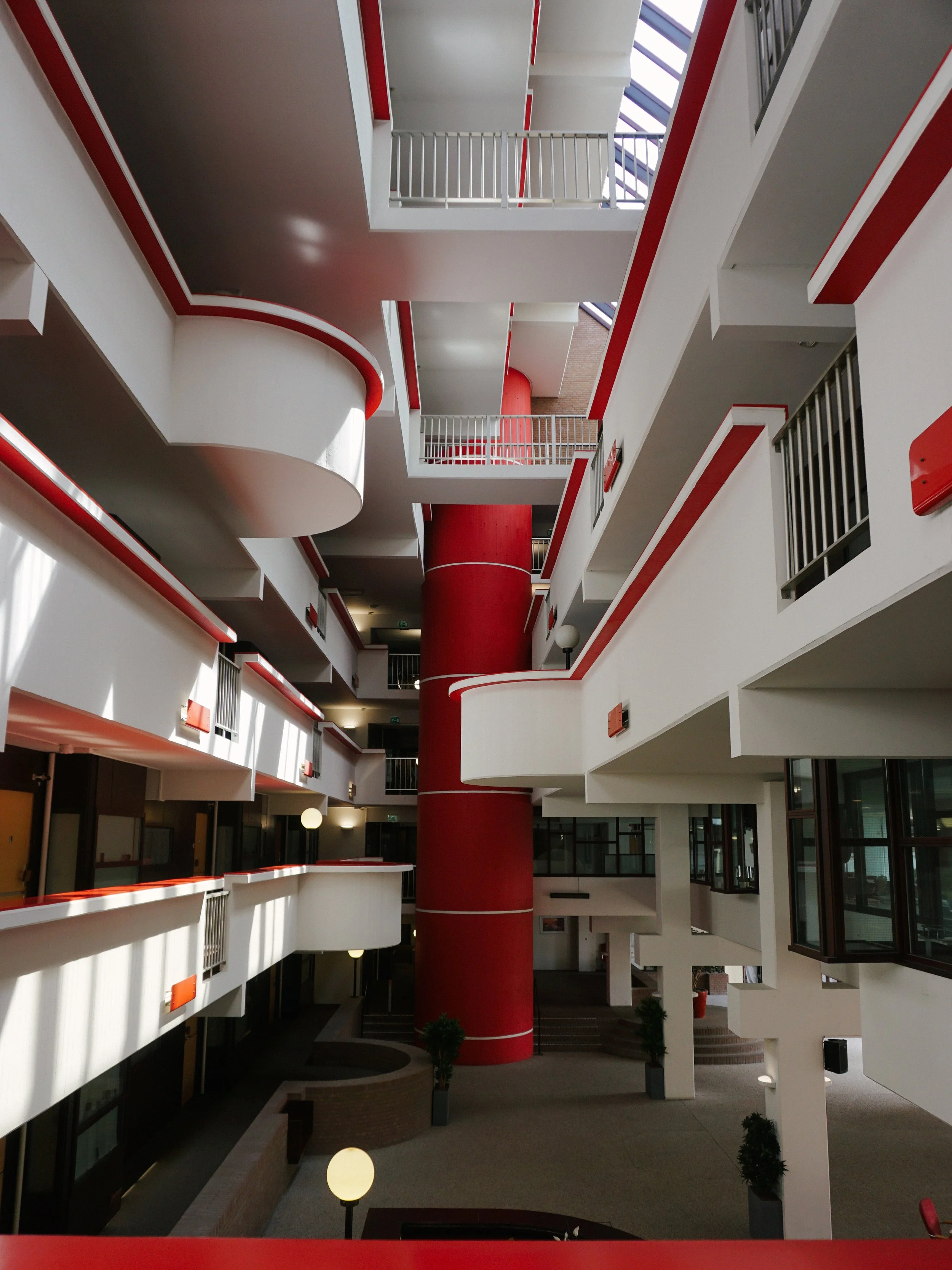
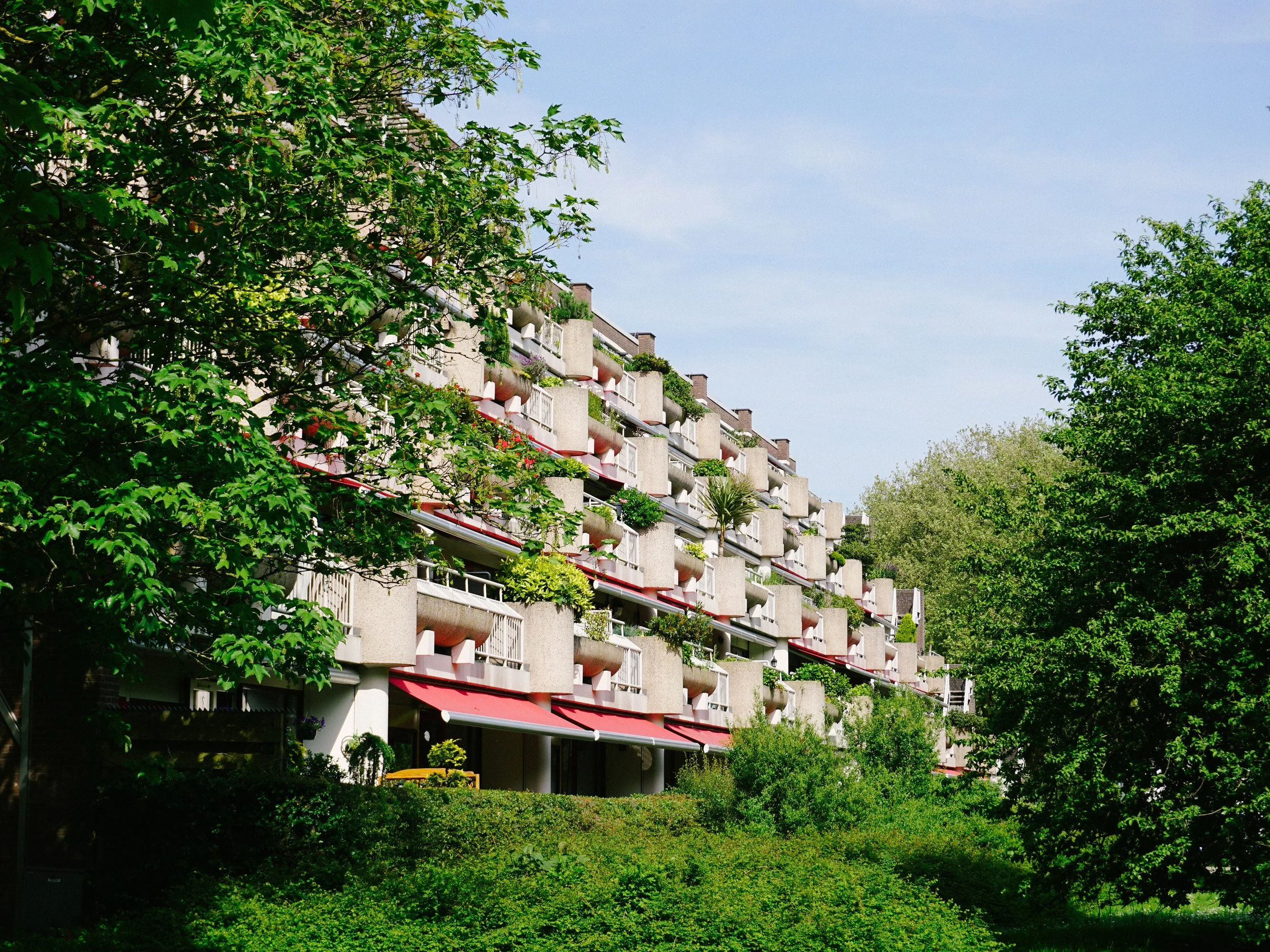
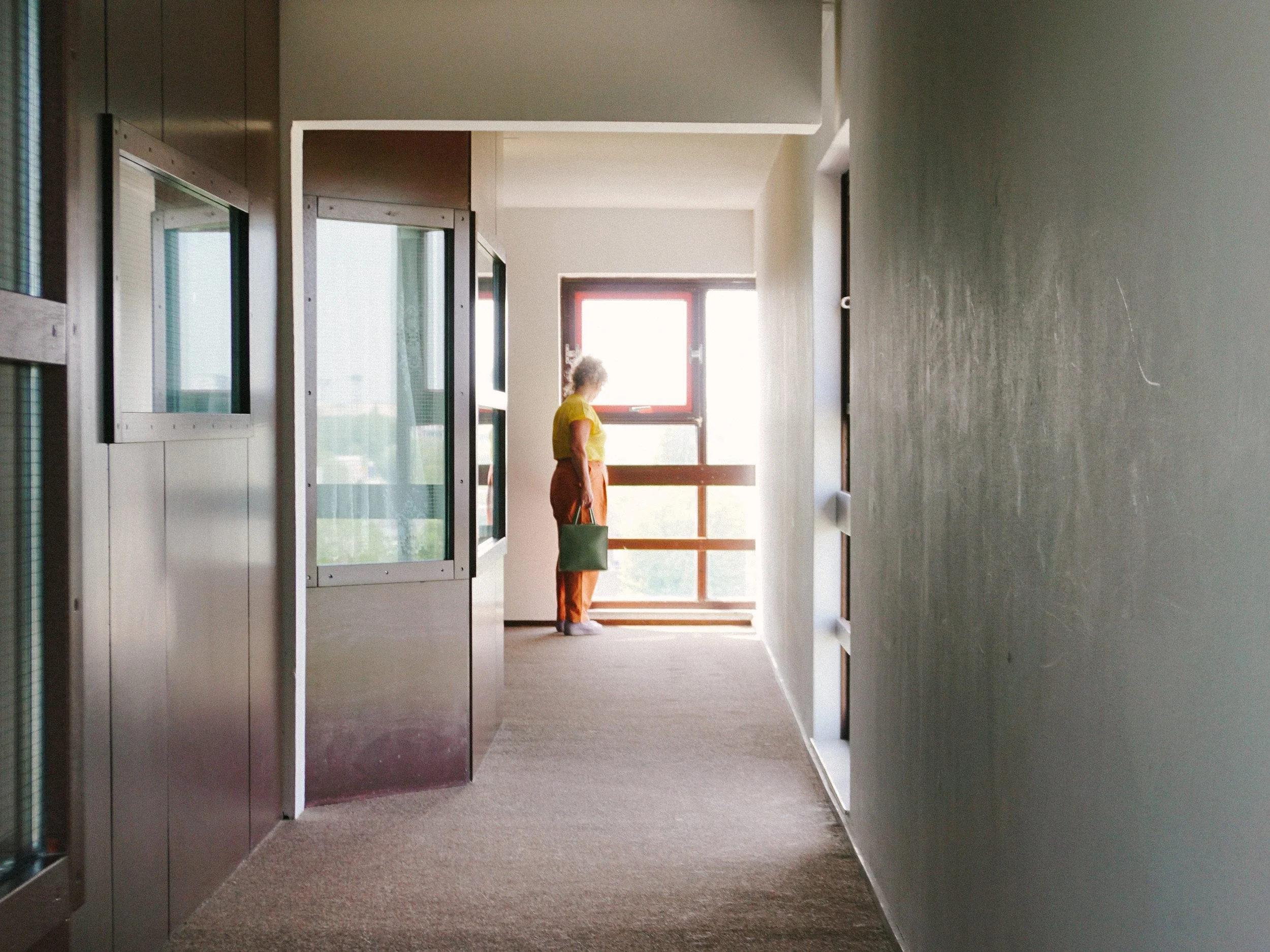

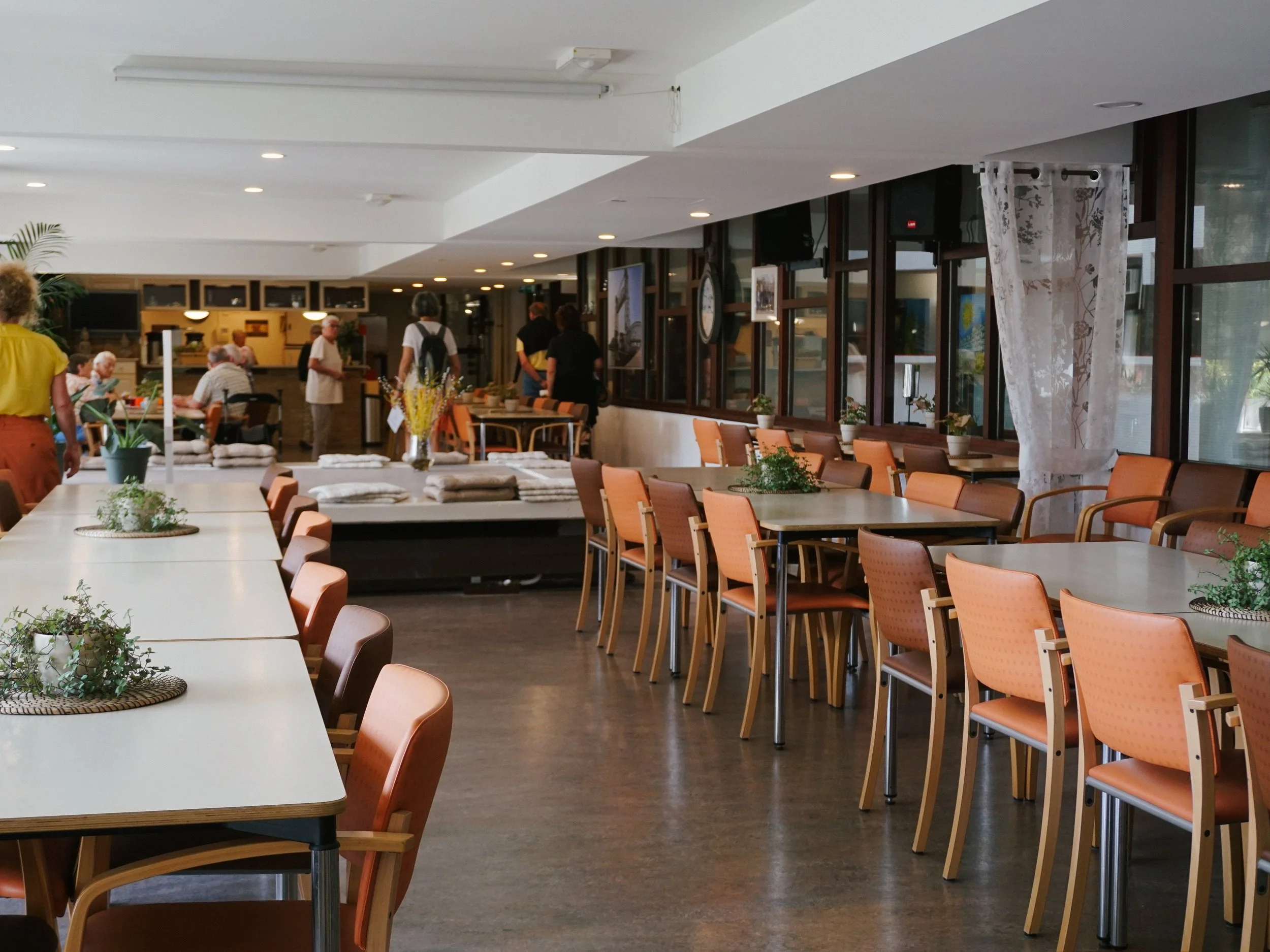
The research is structured around a series of case studies that examine how gender-inclusive ideas were articulated, tested, and negotiated within architectural practice. Central to this research are Luzia Hartsuyker-Curjel’s floor plan studies Ongedefinieerd wonen [Undefined Living] (1983), which proposed non-hierarchical and adaptable domestic layouts as an alternative to standardized post-war housing models. These studies were later translated into built projects such as Geindriedorp and Borssenburgplein, where flexibility, room equality, and user adaptability became key architectural strategies.
The research also examines the Burgerziekenhuis voor Vrouwen in Amsterdam-East as a feminist, community-driven initiative in which housing, work, social safety, and collective organization converged. By analysing both realized projects and their reception, the research reveals the social, institutional, and professional conditions that shaped the implementation of gender-inclusive architecture during the 1980s.